Tuesday, January 21, 2025
Easy DIY instructions for building a fishing boat step-by-step

Building Your Dream Fishing Boat: Beyond the Blueprint
So, you’re dreaming of a custom-built fishing boat, but the prospect of tackling such a project feels daunting? Forget the generic, step-by-step guides. Let's dive into the often-overlooked aspects of DIY boat building, focusing on innovation and efficiency, and addressing the questions that rarely surface in the typical instructional manual.
Beyond the Plans: Material Innovation and Sustainability
Most DIY boat plans stick to traditional materials like plywood and fiberglass. But what about exploring alternatives?
Q: Can I use reclaimed or recycled materials in my boat construction?
A: Absolutely! This is where the real creativity begins. Think reclaimed wood (ensure it's properly treated for marine environments!), recycled plastic lumber (increasingly durable and readily available), and even repurposed shipping containers (for a truly unique and robust hull). A study by the University of Maine (2022) demonstrated the potential of using bio-based composite materials in small boat construction, offering a more sustainable approach. The key is thorough research into the material's properties and suitability for marine conditions. Consider the weight, durability, and long-term maintenance implications before making your selection.
Q: How can I minimize environmental impact during the building process?
A: Beyond material choice, consider eco-friendly adhesives and finishes. Water-based products are becoming increasingly sophisticated and offer performance comparable to traditional solvent-based options. Proper waste management is crucial. Partner with local recycling centers to responsibly dispose of leftover materials, minimizing environmental damage. Researching and adopting sustainable practices can significantly lessen your boat's carbon footprint, and even provide an appealing marketing angle if you plan to sell your creation.
Optimizing the Build: Time, Tools & Techniques
Building a boat isn't just about following steps; it's about smart strategies.
Q: How can I streamline the construction process?
A: Break down the project into manageable modules. Instead of tackling the entire hull at once, focus on sections. This allows for better quality control, easier error correction, and a more satisfying progress experience. Using digital design tools (CAD software) to create detailed plans and templates can save significant time and prevent errors down the line. Consider employing CNC routing for precise cutting of complex shapes, even if it's outsourced. This dramatically accelerates the building process, offering potentially significant cost-savings in labor.
Q: What tools are essential, and which can I improvise?
A: Essential tools include a good quality jigsaw, various clamps, a drill, and measuring instruments. However, certain tasks might benefit from specialized tools â€" for example, a router for creating smooth curves. Before investing heavily, explore tool rental options or collaborate with other hobbyists to share resources. Remember, innovation is key! Many tasks can be adapted to using readily available tools with a bit of ingenuity.
Beyond the Boat: The Community Aspect
Building a boat shouldn't be a solitary endeavor.
Q: How can I leverage community resources and expertise?
A: Join online forums and local boat-building clubs. Sharing experiences and seeking advice from seasoned builders is invaluable. Collaboration can lead to innovative solutions and unexpected shortcuts. Many communities even host workshops and group builds, offering opportunities for learning and support. Consider documenting your process â€" photos, videos, and a detailed blog â€" to share your experience and inspire others. This can build your confidence and contribute to the wider DIY boat-building community.
Building a fishing boat is a rewarding challenge. By embracing innovation, sustainable practices, and collaborative learning, you can create a unique vessel that reflects your individual style and skills.

Affordable DIY wooden canoe plans for outdoor adventures

Affordable DIY Wooden Canoe Plans: Beyond the Build
Building your own wooden canoe is a rewarding experience, blending woodworking skill with a love for the outdoors. But beyond the readily available plans and tutorials, a whole realm of considerations often gets overlooked. This article dives into those less-discussed aspects, offering fresh perspectives for hobbyists, educators, and experienced craftspeople alike.
Beyond the Blueprint: Sustainable Sourcing and the Ethical Canoe
Most DIY canoe plans focus on the construction itself. But what about the wood? Where does it come from, and what's its environmental impact?
Q: How can I ensure my canoe build is ethically and environmentally sound?
A: This is where the project transcends mere craftsmanship. Consider sourcing reclaimed woodâ€"old barns, salvaged lumber, even responsibly harvested timber certified by organizations like the Forest Stewardship Council (FSC). This not only reduces your carbon footprint but also adds a unique character to your canoe. Research local lumber yards that prioritize sustainability and consider partnering with organizations working on reforestation projects. Documenting your sourcing journey can even become part of your canoe's story!
Q: What are some unconventional wood choices for canoe building?
A: While cedar and spruce are popular, exploring lesser-known options can lead to surprising results. Paulownia, for example, is a fast-growing, lightweight hardwood with excellent rot resistance. Its sustainability profile makes it an attractive alternative, though its availability may vary regionally. Thorough research into the properties of different woods is crucial for success.
The Unexpected Challenges: Beyond the Technical Specifications
Even with detailed plans, building a canoe presents unforeseen hurdles. Let's address some of these.
Q: How do I manage the unexpectedâ€"material defects, tool malfunctions, design adjustments?
A: Every build has its moments of frustration. Building a wooden canoe is no exception. Embrace the learning process. Document your challenges and solutions. This not only strengthens your problem-solving skills but also creates a valuable record for future projects. Online forums and woodworking communities can provide invaluable support and alternative solutions when you hit a snag.
Q: What about the social aspect of building a canoe? Can it be a community project?
A: Think beyond the solitary workshop. Building a canoe can be a collaborative effort. Involve friends, family, or even your local community college woodworking program. Sharing the experience enhances learning and fosters a sense of shared accomplishment. This collaborative approach can be particularly valuable in educational settings, teaching teamwork, problem-solving, and sustainable practices.
The Post-Build Adventure: Beyond the Construction
Once the canoe is finished, the real adventure begins. But there's more to consider than simply paddling away.
Q: How do I ensure the longevity and proper maintenance of my hand-built canoe?
A: Proper care is essential. Regular cleaning, appropriate storage, and the application of marine-grade finishes will protect your investment and prolong its life. Consider documenting your maintenance routine, including materials used, techniques employed, and any issues encountered. This creates a valuable resource for future repairs and provides insights into the long-term performance of your canoe.
Q: How can I connect my canoe-building experience to a broader environmental education initiative?
A: This is where the project's significance goes beyond personal accomplishment. Sharing your experience through workshops, presentations, or even creating an online resource can inspire others to engage in sustainable practices and appreciate the connection between craftsmanship and nature. Partnering with local conservation groups to organize canoe trips focused on environmental awareness could amplify the impact of your project.
Building an affordable DIY wooden canoe is more than just a construction project; it's a journey of learning, skill development, and environmental consciousness. By embracing these often-overlooked aspects, you’ll create not just a canoe, but a lasting experience with far-reaching implications.
Sunday, January 19, 2025
Building a Wooden Boat with Sustainable Materials

Beyond the Planks: Unveiling Sustainable Boatbuilding's Hidden Depths
Building a wooden boat is a labor of love, a testament to craftsmanship and connection with nature. But in an era of heightened environmental awareness, simply using "sustainable" wood isn't enough. This review delves beyond the surface, exploring often-overlooked aspects of sustainable boatbuilding, offering new perspectives for hobbyists, professionals, and educators alike. We’ll tackle this through a question-and-answer format, exploring the less-discussed aspects of this fascinating field.
The Unsung Heroes: Beyond Certified Wood
Everyone talks about certified timber like FSC (Forest Stewardship Council). But what about the bigger picture?
Q: Isn't FSC certification sufficient for truly sustainable boatbuilding?
A: While FSC certification is a vital step, it's only part of the equation. It focuses on responsible forest management, but overlooks other crucial elements. Consider the embodied energy â€" the total energy used in harvesting, processing, and transporting the wood. Sourcing locally significantly reduces this footprint. Furthermore, the life cycle assessment (LCA) of different wood species needs more attention. For example, a locally sourced, rapidly-growing species might have a lower overall environmental impact than a slower-growing, certified hardwood transported across continents, despite the certification.
Embracing the Imperfect: Working with Reclaimed and Salvaged Wood
The romantic image of a boat built from pristine lumber is alluring, but what about the untold potential of repurposed wood?
Q: Can reclaimed wood reliably be used in boat construction? Aren't there durability concerns?
A: Absolutely! Reclaimed wood, from old barns, bridges, or even demolished buildings, offers a fantastic sustainable alternative. Thorough inspection and careful selection are crucial. However, the inherent character of reclaimed wood â€" its varied density, potential for hidden defects, and even its pre-existing patina â€" adds unique beauty and reduces reliance on newly harvested timber. Moreover, new research (e.g., studies published in journals like the Journal of Cleaner Production) is exploring the effective treatment and preservation techniques for reclaimed wood in marine environments, minimizing any durability concerns.
The Whole Picture: Beyond the Hull
Sustainable boatbuilding extends beyond the wood itself. Let's explore the broader environmental impacts.
Q: How can we minimize the environmental impact beyond the wood selection?
A: Consider the entire lifecycle! This includes minimizing waste during construction (precise cutting, using offcuts creatively), choosing low-impact finishes (e.g., natural oils instead of synthetic paints), and opting for recycled or biodegradable components for fittings and fastenings. Even the transport of materials and the disposal of waste after the boat's life should be factored in. A truly sustainable approach demands a holistic view.
A Real-World Example: The "Sea Change" Project
Imagine a community project: a group of volunteers, using reclaimed timber from a demolished pier, build a small fishing boat for a local charity. This minimizes environmental impact, fosters community engagement, and provides a valuable service. This illustrates the untapped potential for sustainable boatbuilding â€" beyond individual projects, it can become a tool for community building and environmental education.
Conclusion: Charting a New Course
Sustainable boatbuilding isn't merely a trend; it's a necessity. By considering the entire lifecycle, embracing reclaimed materials, and fostering community engagement, we can build boats that are not only beautiful and functional but also reflect our commitment to a healthier planet. The future of boatbuilding lies in embracing innovation, challenging assumptions, and expanding our understanding of what truly constitutes a sustainable practice. It's about more than just certified wood; it's about crafting a legacy of responsible stewardship for generations to come.
Building a Wooden Boat with Sustainable Materials
Beyond the Planks: Unveiling Sustainable Boatbuilding's Hidden Depths
Building a wooden boat is a labor of love, a testament to craftsmanship and connection with nature. But in an era of heightened environmental awareness, simply using "sustainable" wood isn't enough. This review delves beyond the surface, exploring often-overlooked aspects of sustainable boatbuilding, offering new perspectives for hobbyists, professionals, and educators alike. We’ll tackle this through a question-and-answer format, exploring the less-discussed aspects of this fascinating field.
The Unsung Heroes: Beyond Certified Wood
Everyone talks about certified timber like FSC (Forest Stewardship Council). But what about the bigger picture?
Q: Isn't FSC certification sufficient for truly sustainable boatbuilding?
A: While FSC certification is a vital step, it's only part of the equation. It focuses on responsible forest management, but overlooks other crucial elements. Consider the embodied energy â€" the total energy used in harvesting, processing, and transporting the wood. Sourcing locally significantly reduces this footprint. Furthermore, the life cycle assessment (LCA) of different wood species needs more attention. For example, a locally sourced, rapidly-growing species might have a lower overall environmental impact than a slower-growing, certified hardwood transported across continents, despite the certification.
Embracing the Imperfect: Working with Reclaimed and Salvaged Wood
The romantic image of a boat built from pristine lumber is alluring, but what about the untold potential of repurposed wood?
Q: Can reclaimed wood reliably be used in boat construction? Aren't there durability concerns?
A: Absolutely! Reclaimed wood, from old barns, bridges, or even demolished buildings, offers a fantastic sustainable alternative. Thorough inspection and careful selection are crucial. However, the inherent character of reclaimed wood â€" its varied density, potential for hidden defects, and even its pre-existing patina â€" adds unique beauty and reduces reliance on newly harvested timber. Moreover, new research (e.g., studies published in journals like the Journal of Cleaner Production) is exploring the effective treatment and preservation techniques for reclaimed wood in marine environments, minimizing any durability concerns.
The Whole Picture: Beyond the Hull
Sustainable boatbuilding extends beyond the wood itself. Let's explore the broader environmental impacts.
Q: How can we minimize the environmental impact beyond the wood selection?
A: Consider the entire lifecycle! This includes minimizing waste during construction (precise cutting, using offcuts creatively), choosing low-impact finishes (e.g., natural oils instead of synthetic paints), and opting for recycled or biodegradable components for fittings and fastenings. Even the transport of materials and the disposal of waste after the boat's life should be factored in. A truly sustainable approach demands a holistic view.
A Real-World Example: The "Sea Change" Project
Imagine a community project: a group of volunteers, using reclaimed timber from a demolished pier, build a small fishing boat for a local charity. This minimizes environmental impact, fosters community engagement, and provides a valuable service. This illustrates the untapped potential for sustainable boatbuilding â€" beyond individual projects, it can become a tool for community building and environmental education.
Conclusion: Charting a New Course
Sustainable boatbuilding isn't merely a trend; it's a necessity. By considering the entire lifecycle, embracing reclaimed materials, and fostering community engagement, we can build boats that are not only beautiful and functional but also reflect our commitment to a healthier planet. The future of boatbuilding lies in embracing innovation, challenging assumptions, and expanding our understanding of what truly constitutes a sustainable practice. It's about more than just certified wood; it's about crafting a legacy of responsible stewardship for generations to come.
Thursday, November 5, 2020
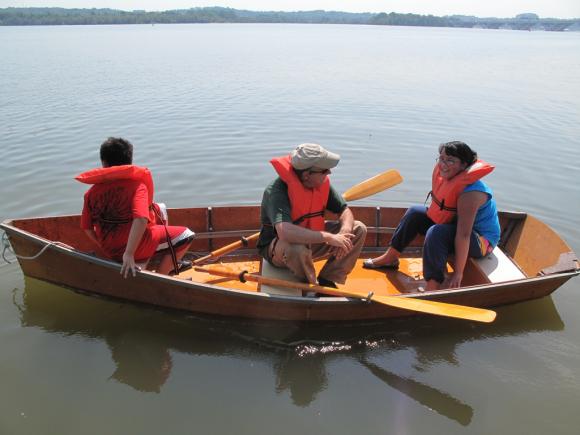
Bevin's skiff boat building plans Closeout
Pics Bevin's skiff boat building plans


How much is a boat lift Cheapest
Example of this How much is a boat lift


How to make boat trailer post guide Bargain
Representation How to make boat trailer post guide